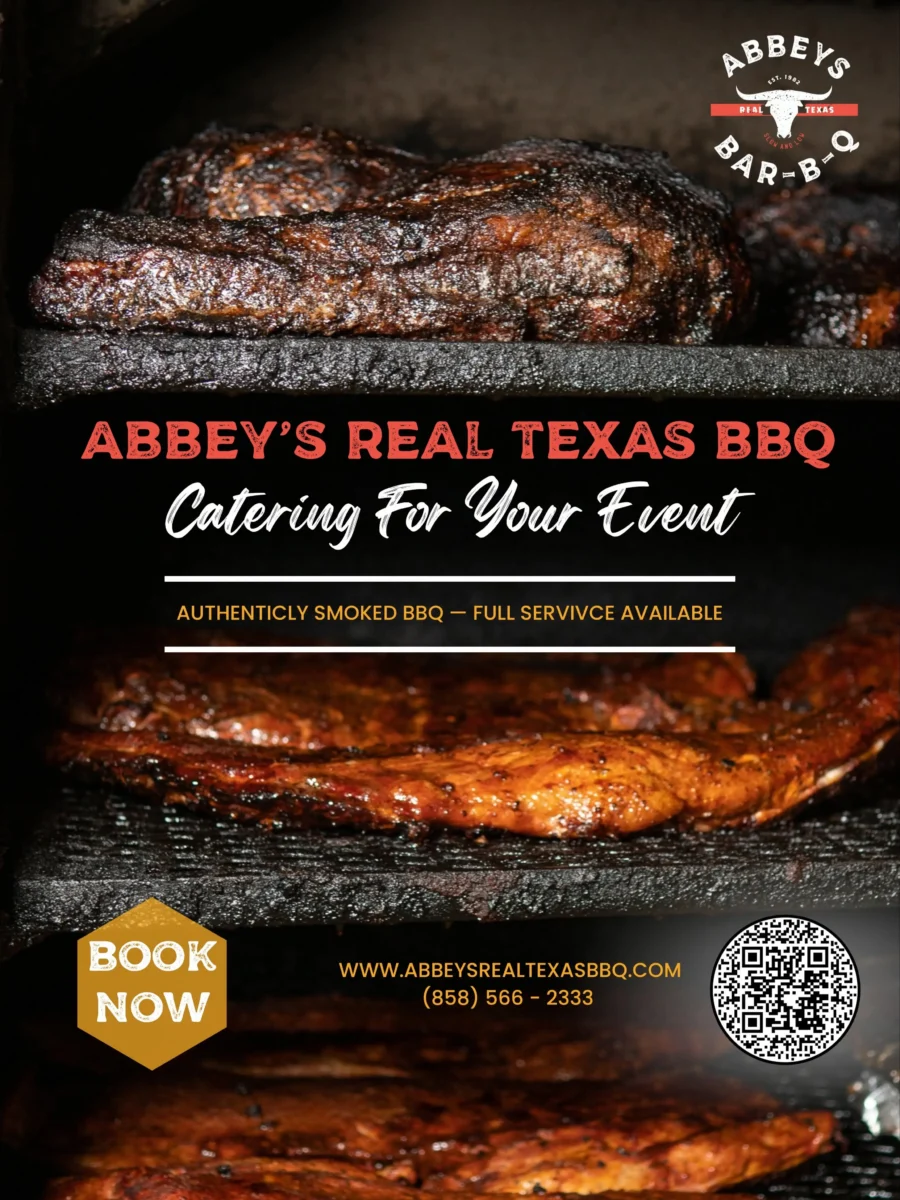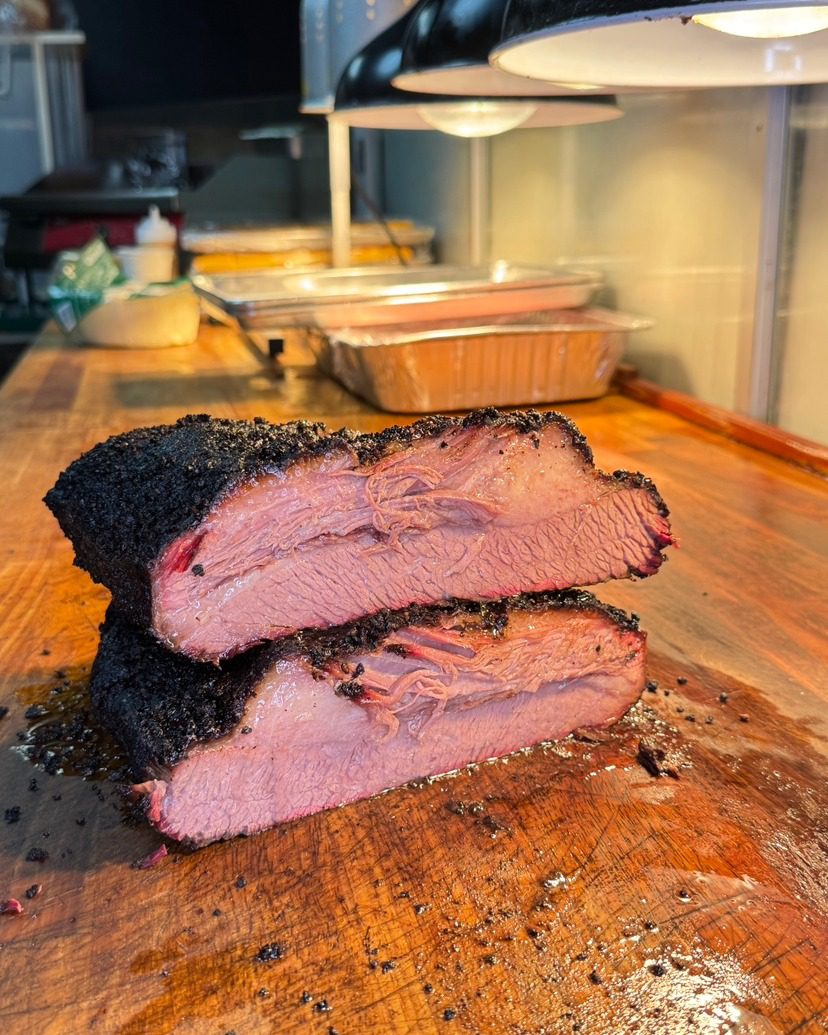
Texas BBQ is smoked using hardwood—primarily oak and mesquite—burned in offset smokers that produce indirect heat and clean smoke over long cook times. Oak burns steady and mild, providing consistent heat for brisket and ribs. Mesquite burns hotter and stronger, adding deeper smoke intensity when managed carefully. The balance between these woods shapes flavor, bark formation, and overall texture in traditional Texas barbecue.
Texas barbecue isn’t defined by sauce. It’s defined by fire. Before seasoning, before slicing, before resting, there is wood—because wood is both the heat source and the flavor source.
In Texas, that wood conversation usually comes down to two names: oak and mesquite. Both are hardwoods. Both burn hot enough for long cooks. But they behave differently in the firebox, and those differences matter when brisket cooks for 18–24 hours and smoke must stay clean from start to finish.
Texas BBQ is traditionally cooked in an offset smoker where the firebox sits beside the cooking chamber. Hardwood burns in the firebox, and heat and smoke travel across the meat before exiting through a chimney stack. This design allows meat to cook in steady indirect heat rather than direct flame.
Inside this system, the pitmaster manages more than temperature. The real focus is combustion—how the fire burns and how smoke moves through the pit. When airflow and fuel are balanced correctly, the fire burns clean and the smoke stays thin and blue.
Wood becomes more than fuel in this environment. It becomes part of the ingredient list because the way it burns directly affects flavor and bark formation.
Oak is widely considered the backbone of Texas barbecue. It burns evenly, produces steady heat, and creates a smoke profile that complements beef without overwhelming it. In many parts of Texas, post oak is the traditional choice, though other oak varieties behave similarly in the firebox.
When brisket cooks overnight, stability becomes critical. Oak produces a dependable coal bed that holds temperature consistently without dramatic spikes. This steadiness allows pitmasters to maintain the ideal 225–275°F range for long smoking sessions.
Because oak smoke is balanced and moderate, it lets seasoning and rendered beef fat remain the dominant flavors while gradually building smoke depth.
Oak burns with moderate flame intensity and produces long-lasting coals. This makes it ideal for smoking large cuts like brisket or beef ribs that require consistent heat for many hours.
Its smoke flavor tends to be warm and slightly sweet rather than sharp. That restraint matters because traditional Texas barbecue relies on clean smoke that develops gradually rather than heavy smoke applied all at once.
When pitmasters want bark that feels firm but not bitter, oak provides a dependable base fuel that supports long cooking without overwhelming the meat.
Mesquite burns hotter and faster than oak and produces a stronger smoke aroma. Because mesquite trees are abundant across parts of Texas, they became part of regional barbecue tradition.
However, mesquite requires careful management. Its stronger smoke can dominate meat if used aggressively, and its higher burn temperature can raise pit heat quickly if large splits are added too fast.
For experienced pitmasters, mesquite becomes a tool for adding depth rather than the primary fuel source for the entire cook.
Mesquite combusts faster than oak and produces stronger smoke compounds. That strength can deepen bark color and add a bold edge to the finished barbecue when used carefully.
Because mesquite burns hotter, pitmasters often introduce it in smaller quantities during certain stages of the cook. This allows them to increase smoke intensity without overwhelming the chamber.
Controlled use of mesquite can create a layered flavor profile when combined with oak as the primary fuel.
Smoke does more than add flavor. It interacts with seasoning, rendered fat, and surface moisture to form bark. As wood combusts, compounds in the smoke adhere to the meat’s exterior and contribute to color, aroma, and texture.
Oak smoke tends to build bark gradually and evenly because it burns at a steady rate. Mesquite smoke can darken bark more quickly because it burns hotter and produces stronger smoke compounds.
The key to proper bark development is maintaining clean combustion and balanced airflow. When the fire burns correctly, smoke appears thin and slightly blue rather than thick and white.
During a full brisket cook, pitmasters typically begin with oak to establish a steady coal bed. Once the smoker stabilizes around its target temperature, briskets are placed in the chamber and the fire is fed gradually.
Small oak splits are added periodically to maintain steady heat. Depending on pit size and weather conditions, this may occur every 30–45 minutes.
Mesquite may be introduced later in the cook as a controlled boost. A small split can deepen bark color and add aromatic intensity without overwhelming the chamber.
Texas barbecue traditions developed around the hardwoods available in the region. Oak and mesquite were abundant, durable fuels that burned hot enough for large cuts of beef.
Over time, pitmasters refined techniques that matched these woods to beef-heavy barbecue menus. Because brisket and beef ribs contain significant fat and collagen, they stand up well to the stronger smoke produced by these hardwoods.
While other regions may favor fruitwoods for lighter meats, Texas barbecue relies on the strength and stability of oak and mesquite.
Texas barbecue developed around wood-fired pits where beef was cooked slowly over hardwood coals. Pitmasters learned that steady fire management produced the clean smoke needed for long brisket cooks.
Oak became the dependable base fuel because it burns evenly, while mesquite added bold intensity when used carefully. Together, these woods helped shape the flavor profile associated with Texas barbecue.
At Abbey’s Real Texas BBQ, hardwood fire remains central to the cooking process, just as it has in Texas smokehouses for generations.
Traditional Texas barbecue depends on wood, patience, and disciplined fire control. Oak provides steady heat while mesquite adds bold depth when used with restraint. Together they create the layered smoke profile that defines authentic brisket and ribs.
At Abbey’s Real Texas BBQ, briskets and pork shoulders smoke for 18–24 hours over green oak and mesquite in hand-built cast iron smokers brought from Texas.
📍 Location: 6904 Miramar Road, San Diego
Serving guests from Mira Mesa, University City, and La Jolla